
Click here for original article
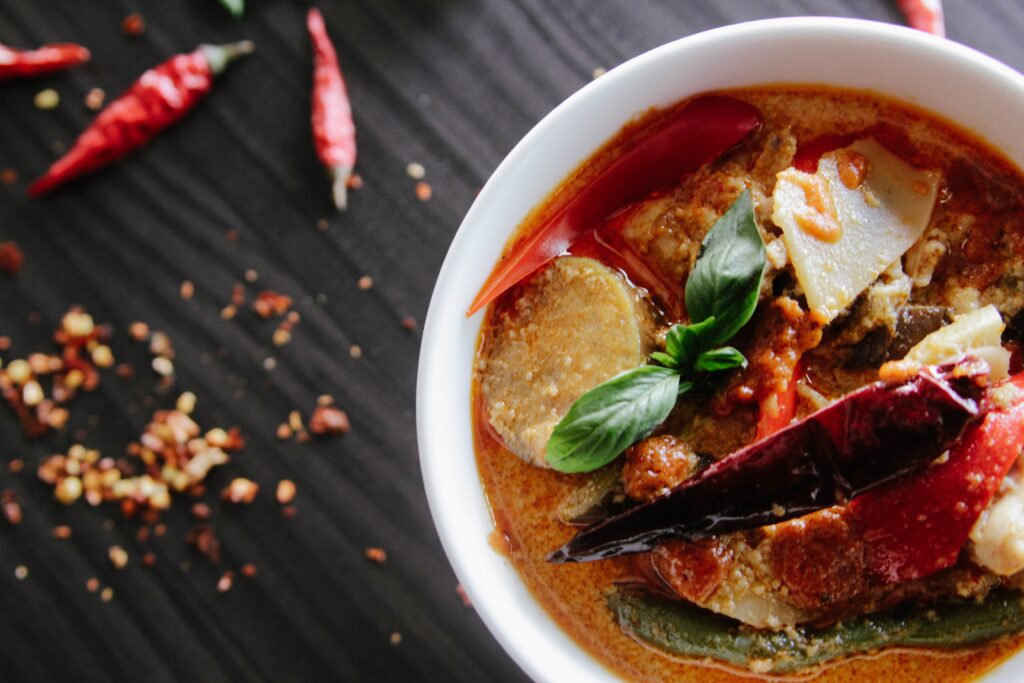
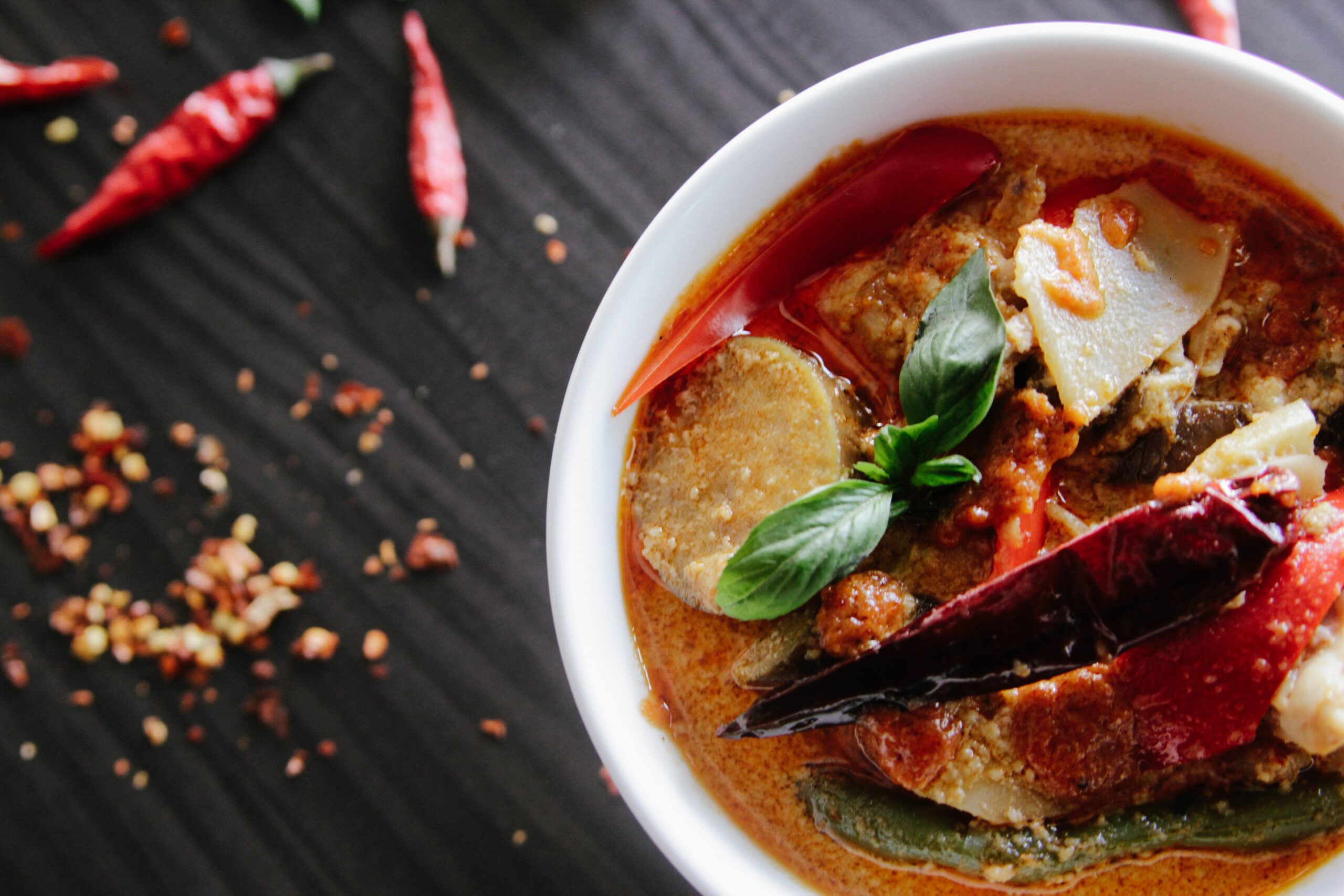
Almost every one of us said that we love food. You took their photograph and showcasing them through your social media. But do we respect it? I mean the food? Food is much more than what is on our plates.
FAO reported that globally, around 14 percent of food produced is lost between harvest and retail. And also, significant quantities are wasted in retail and at the consumption level.
Today we live in a world with nearly 8 billion people where all you hear is our difference, but some essential things connect us as humans, and one of them is food. With food, we can connect. It connects us all to wherever and whenever we go when you meet someone you have never met before, I am sure you will all meet at a café or restaurant and, of course, order food.
We all need food, depend on food, survive because of food and derive happiness from food. No matter how bad are you, you will never get away from food. Of course.
Food is part of who we are as humans. It is part of our habits and cultures. Speaking about social media, hundreds of my friends share their food photos on their Instagram. People might think that it is part of their lifestyle to share what they eat every day and let their people know what they’ll eat today.
Tons of TV shows, movies, and even podcasts revolve around the topic of food. Even Tik Tok, Instagram, Facebook, and other social media, digital cookbooks always sit among the bestsellers and most viewed in social media. Like I said before, food connects us all. Food is even part of how we interact with others. Foodies promptly and amply share recipes and dining experiences. And who has not posted a photo of their favorite dishes on their social media channels? The talk of food is all around us.
If you think we love food so much, why do we let so much of it go rotten in our fridges? Get left behind in our parties? Get thrown out in our stores or dumped down off of our plates? Or even, we couldn’t able to finish the food so that we throw it away?
Let me tell you. This is a widespread problem that we are supposed to end this no matter how hard we tried to overcome it. According to FAO research, every year around the globe, 1.3 billion tons of food is lost or wasted. That is 1/3 of all food produced for human consumption, costing the global economy close to $940 billion each year. That means one in nine people does not have enough food to eat. That’s 793 million undernourished people. Imagine if the world could save one-quarter of the food currently lost or wasted. It would be enough to feed 870 million hungry people. For those who enjoyed fruit and vegetables today, never waste them. Almost half of all fruit and vegetables produced are wasted, which means that 3.7 trillion of them is apples.
Another fact that could help you to save the world in the easy way that 8% of greenhouse gases heating the planet are caused by food waste (According to FAO Food Wastage Footprint Report 2013). Imagine that if food waste were a country, it would be the third biggest emitter of greenhouse gases after the USA and China. Eliminating global food waste would save 4.4 million tons of CO2 a year, equivalent to taking one in four cars off the road. And even more ridiculous, throwing away one of your burger wastes is the same amount of water as a 90-minute shower.
A quick intermezzo back in Melbourne, I’m fortunate to have such a caring neighbor who always reminds me not to throw any vegetables or fruits leftover (such as lettuce stalks, leftover carrots, and leftover apples). I did convert those leftovers into a new form, such as natural fertilizer from leftover apples, and grow back again those lettuce stalks and leftover carrots. If they weren’t there, I might not be having such a green view in front of my home.
In Australia, the Government estimates food waste costs the Australian economy $20 billion each year. Over 5 million tons of food end up as a landfill, enough to fill 9,000 Olympic-sized swimming pools. Talking about the Australian shopping lifestyle, one in five shopping bags end up in the bin, which is equal to $3,800 worth of groceries per household each year, and 35% of the average household bin is food waste. This is why we need to ask ourselves again, do we respect food after we realized these facts behind us?
We love food, but we don’t take care of it. We don’t respect it. We all want the respect that Aretha Franklin sang about and to get it we should give it.
What will you do after this? Well, all we can do is change the way on how we live every day. That means changing our habits. Here are six ways to help us love our food better and grow respect for the world behind what we eat:
- Reduce your food waste: As simple as it’s being said. Buy only the food you need, learn to love ugly fruits and vegetables (don’t worry about this! It’s still safe to eat), keep your portions realistic, be mindful of expiration dates, store food wisely, donate excess and turn leftover food into the next day’s meals, or convert it into biofertilizer (like what I did). When we waste food, all the resources used for growing, processing, transporting, and marketing are wasted. Food is so much more than what is on our plates.
- Support your local food producers: The story of food begins with a farmer. Why do we give our favorite restaurant or chefs stars and awards, but we forget about the part of our food producers plays? Without them, we wouldn’t have the fresh food we need daily and the food to make any of our cherished dishes. Aren’t farmers the real heroes? I called them #FoodHeroes, of course! Shop at your local markets and get to know your farmers. Giving them your business is giving them your recognition and respect.
- Appreciate the workmanship in producing it: People say agriculture works, as agricultural technology students’ I didn’t say that. It is art, the art of shaping the best-valued nutrition for humans. There is so much that goes into making our food. It takes seeds and soil, water and work, protection and patience. Did you know that it takes about 50 liters of water to produce one orange? Our food choices affect the health of our planet and our future of food. When you eat, you take in natural resources and the hard work of the farmers, bees, harvesters, and others who got the food to your plate. Call-to-Action for you who read this, appreciate food like you would a piece of art.
- Adopt a healthier, more sustainable diet: Our bodies run off of calories and nutrients. We get our energy and maintain our health from good food. Typically, we might not be paying attention to the power that food and nutrition have over our bodies. We need to respect that food is like fuel. Too much of it, or too much of only one kind of it, can lead to obesity, deficiencies, or diet-related diseases.
- Learn where food comes from: Do you know where your foods come from? Don’t say the market! Are tomatoes a fruit or vegetable? Do kiwis come from trees or bushes? By learning more about our food, where it comes from, when it is in season and what it takes to produce it, we grow in our knowledge of and respect for what we are eating. By doing this way, you will understand more and even broaden your interest in starting your own gardening space at your home. Growing in our knowledge of food means growing in our respect for it. Learn for yourself and then teach future generations.
- Have a conversation: By treating each meal with pride, we respect the farmers who produced it, the resources that went into it and the people who go without. Respect can be passed on. Talk to the people around you and the next generation about making informed, healthy, and sustainable food choices.
Behind the foods that you’ve been eaten right now, there’s always a farmers smile that gives you strength in every bit of food that you ate. — Festus S. Yoesafat
For many people on the planet, food is given. It is there in a house or a store if we need it and we usually have the means to buy it. But for many more, food is scarce or elusive. For the millions of people who go hungry every year, food is not a guarantee. It is a daily challenge.
Respecting food means appreciating the backstory of food. When we know the whole picture, it is easier to see what our food stands for and how precious it is.
Before we close the story, watch this video to enlighten the way you start to #RespectForFood